
Business and Personal Honor
The GodfatherThis flow traces the novel's recurring tension between commercial calculation and emotional loyalty.
increasing Bearing strength in each event
 decreasing
Bearing strength in each eventdecreasingThe Don's Distinction
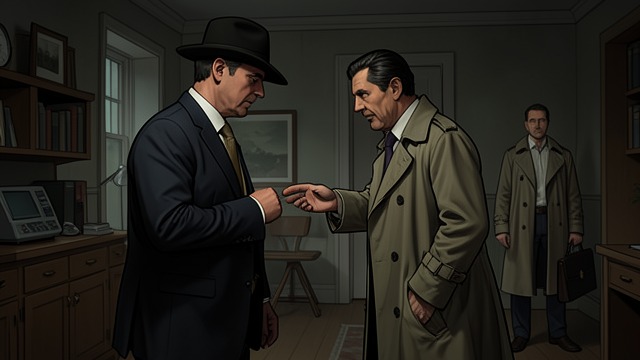
The Don's Distinction
Business Argument
Vito Corleone calls narcotics too dangerous for his political relationships and family interests.
Emotional Blindness
He insists the decision is business, yet his refusal also reflects moral disgust and fear for his family. The boundary between policy and feeling is already unstable.
Michael's Rebuttal
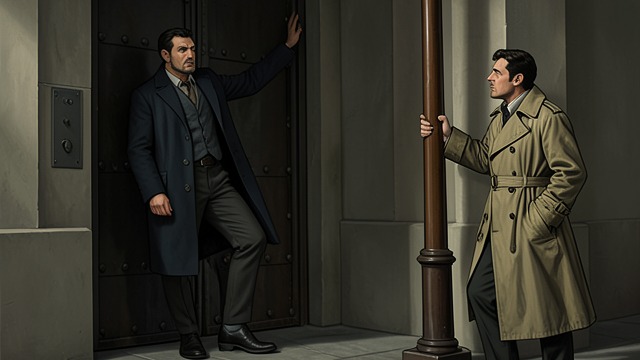
Michael's Rebuttal
Personal Injury
Michael rejects the claim that his motives can be separated from the violence done to his father and himself.
Governing Principle
He declares that every business decision contains personal stakes. This belief becomes the emotional engine of his transformation.
Johnny's Apology

Johnny's Apology
Resentment Reconsidered
Johnny Fontane apologizes to Tom Hagen after recognizing that his anger toward the messenger concealed fear of confronting Vito Corleone.
Friendship as Business
His apology allows the Godfather's favor to become a new career rather than a humiliating rescue.
Carlo's Calculation
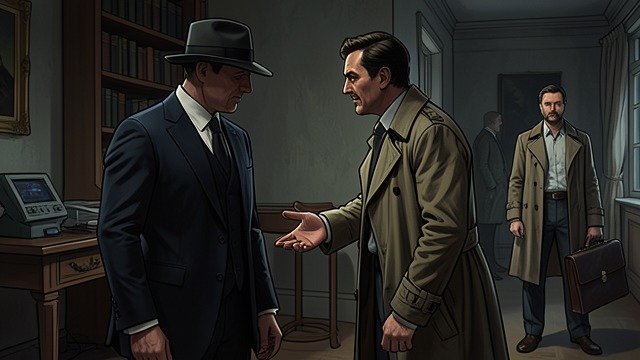
Carlo's Calculation
Domestic Cruelty
Carlo Rizzi treats Constanzia Corleone as property and uses violence to compensate for his low position.
Political Betrayal
He later turns that resentment into cooperation with Emilio Barzini, proving that private humiliation can become public treachery.
Michael's Final Lie
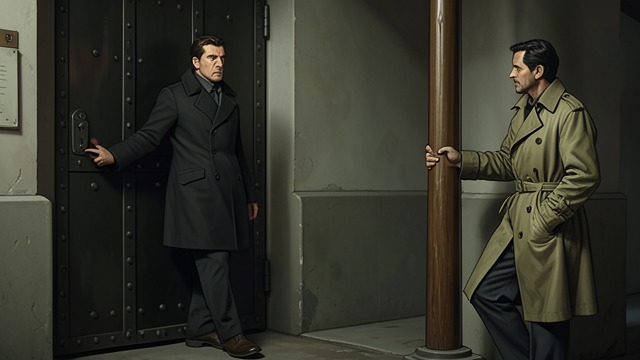
Michael's Final Lie
Denial
Michael tells Kay Adams that Connie's accusations are false even after arranging Carlo Rizzi's death.
Authority Preserved
The lie protects the marriage's surface but destroys its moral equality. Michael now rules through the same separation between public truth and private command that defined Vito Corleone.
During the narcotics meeting
After Mark McCluskey breaks his jaw
During Johnny Fontane's recovery
During Carlo Rizzi's marriage
After Carlo Rizzi's execution
